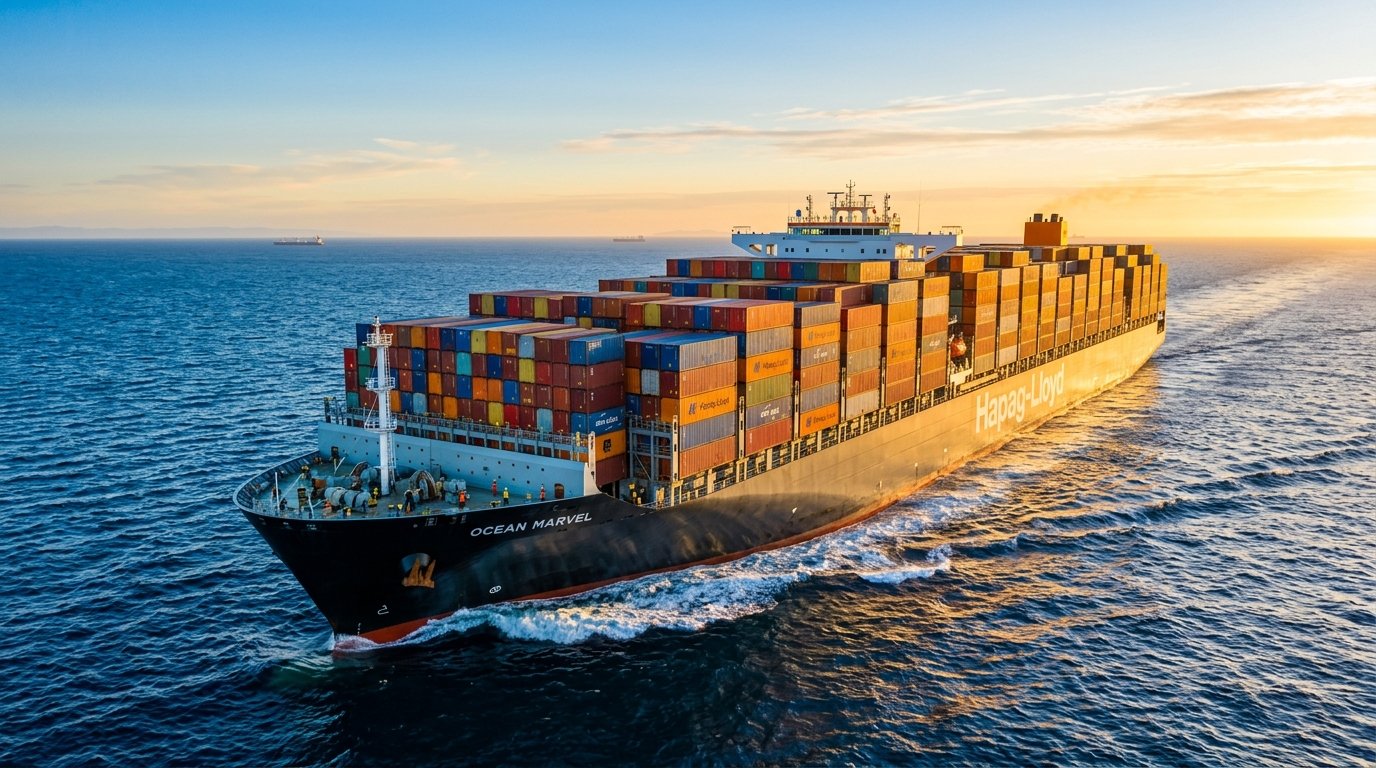
When planning international shipments, selecting between air freight and ocean freight hinges on balancing velocity against commercial margin. While ocean shipping moves over 80% of global merchandise volume cost-effectively, air freight provides unparalleled transit speed — reducing cross-continental transit from 25–35 days to just 24–72 hours. For high-value, time-sensitive, or perishable consignments, the speed of air cargo often prevents catastrophic factory line stoppages or spoilage.
A critical factor in this evaluation is the chargeable weight calculation. Air carriers utilize a volumetric divisor (typically 1:6000 or 167 kg per CBM), meaning lightweight, bulky cargo will incur air freight charges based on dimensional weight rather than actual scale weight. Conversely, dense, heavy industrial machinery is almost always best routed via ocean container. Logistics Hub’s multimodal desk analyzes your HS codes, packaging dimensions, and delivery SLAs to recommend the optimal transport mode or hybrid sea-air routing.